

Iron – Ten plant sources of iron
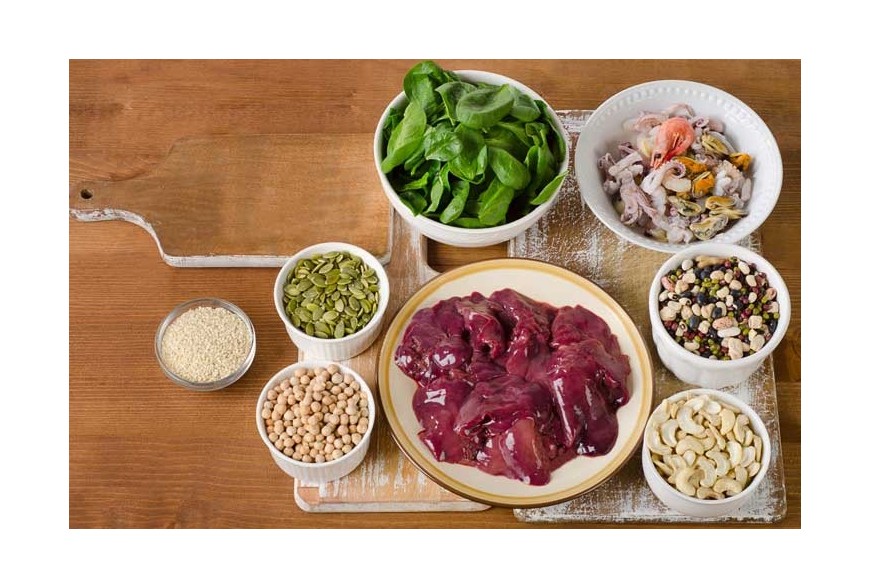
The recommended dietary intake (RDA) of iron for the adult population is 8-27 mg per day. In general, the iron needs of older women, as well as those who are pregnant or breastfeeding, are increased.
Although red meat and animal products are generally considered the best sources of iron in our diet, this particular metal is also found in many plant products.
It should be noted that plant-based iron is absorbed by the body to a lesser extent than animal-based iron. When the main sources of intake are of vegetable origin, it is recommended to consume them in larger quantities, but also to combine them with vitamin C and citric acid, as these ingredients facilitate the absorption of iron by the body.
So if you are in a period where you want to cut out or limit meat, you have the following options when it comes to getting iron from plant sources:
1. Spinach: Dark green vegetables, especially spinach, are excellent sources of iron. Three cups of spinach provide about 18 mg of iron.
Plant Sources of Iron
2. Broccoli: Contains iron – 0.7 mg per 100 gram serving, but
it also contains vitamin C, which facilitates the absorption of iron by the body.
3. Chickpeas: One cup provides 4.7 mg of iron.
4. Chinese cabbage: Per cup gives 1.8 mg of iron.
5. Lentils: They are rich in iron – 1.1 mg per 100 gram serving, but also in fiber, potassium and proteins.
6. Sesame seeds: One tablespoon of sesame seeds provides 1.3 mg of iron.
7. Soybeans: An exceptional case since one cup of cooked soybeans provides about 8 to 9 mg of iron.
8. Dark chocolate: For sweet people, 100 grams of dark chocolate provides about 9 mg of iron.
9. Red beans: One cup provides 3 to 4 mg of iron.
10. Baked potato: Per 100 gram serving, baked potatoes provide 1.1 mg of iron.