


Gut and Probiotics
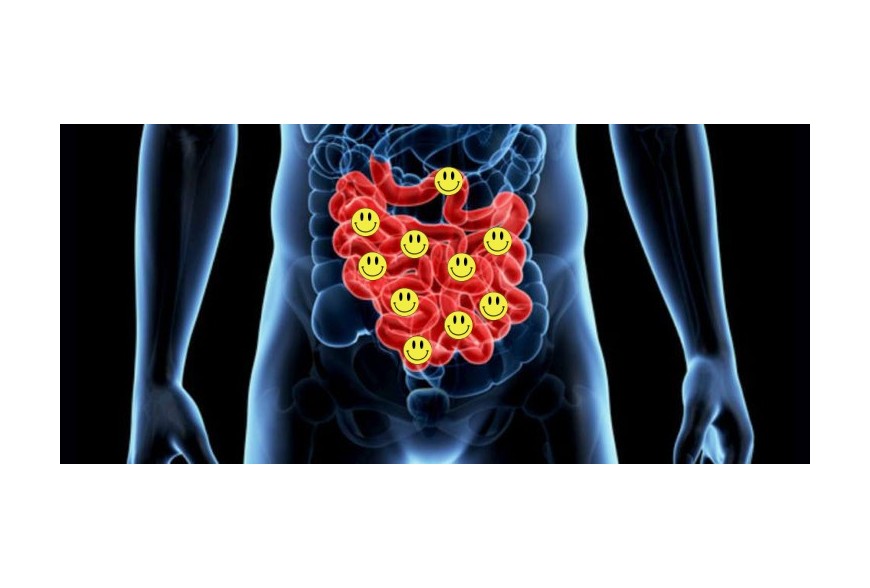
Our food is digested from the stomach and reaches the intestine where digestion continues and passes through the pylorus. The intestine is the final recipient of the derivatives of food digestion, which are absorbed there and the body utilizes them for its vital functions and energy production, with the simultaneous elimination of undigested or useless components, through its last part, the rectum, which empties into the anus.
The processing of food in the intestine is done by a very large number of bacteria, the intestinal bacteria. Inside each person there are colonies of bacteria (over 500 species), weighing about 2 Kg and numbering several trillion bacteria. Most of them are located in the intestinal tract and settle immediately after birth, and some of them are also located elsewhere (oral cavity, throat, etc.). Each person has a distinct gut microbiota, although a core set of bacteria is common to all individuals. A portion of these bacteria are characterized as human-friendly bacteria.
A symbiotic relationship exists between humans and good bacteria: Our body provides a place for them to live and food for them to grow. In return, the friendly bacteria offer, preventing the growth of pathogens, aiding in the digestion of fiber and lactose, in the production of enzymes, in the manufacture of B vitamins, etc.
The absence of a sufficient number of friendly bacteria means that we have a disruption of the normal composition of the intestinal microflora, as a result of which unpleasant symptoms appear, such as diarrhea, constipation, flatulence, irritable bowel syndrome. In general, we can say that for the existence of life, sufficient colonies of friendly bacteria are needed, and in fact, for health to exist, at least 85% of the bacteria in the intestinal tract must be friendly, or else the pathogenic bacteria must not exceed 15%.
The absence of a sufficient number of friendly bacteria means that we have a disturbance of the normal composition of the intestinal microflora.
The absence of a sufficient number of friendly bacteria means that we have a disturbance of the normal composition of the intestinal microflora.
The intestinal microflora (intestinal bacteria) is disturbed by the intake of drugs, and by other environmental influences. One of the most important causes that disturb the intestinal microflora is taking antibiotics. Also, diet, modern lifestyle, smoking, alcohol, contraceptives, chlorine in water, environmental pollution, mental and physical stress, radiation therapy, chemotherapy and aging contribute to the disturbance of intestinal balance microflora, resulting in the onset of disease.
Restoration of this intestinal microflora can be achieved by taking the appropriate probiotics. Probiotics are dietary supplements that contain friendly bacteria, with lactic acid bacteria being the most widely used.
From the above it is easy to understand that probiotics can significantly benefit even a healthy organism.
Where are probiotics proven to benefit?
Taking probiotics benefits:
*Better lactose tolerance.
*Improvement in the process of digestion, reduction in the occurrence of digestive & stomach disorders.
*Reduction in the possibility of constipation or diarrhea.
*Reduction in the possibility of flatulence.
*Reduction in the likelihood of colon cancer.
*Improvement in bowel, liver and cardiovascular function.
*Improving resistance to allergies and fungal infections.
*Improvement in vitamin synthesis and mineral absorption.
*Improvement in the quality of sleep.
*Improving appetite.
*Decreasing the likelihood of atopic eczema in children.
*Strengthening the immune system and reducing the occurrence of oral infections.